The Great Streamer Escape: Why Twitch's Middle Class Is Quietly Building Elsewhere
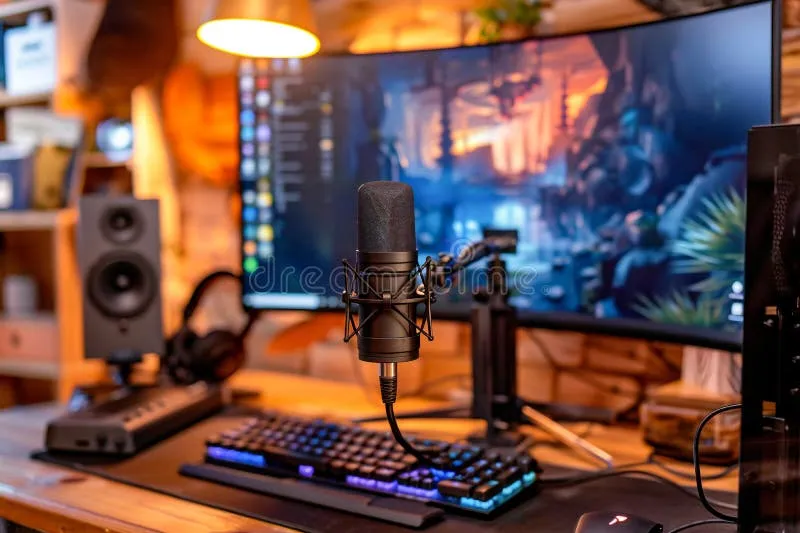
Photo: gaming streamer recording content at home setup with microphone and monitors, via thumbs.dreamstime.com
If you've noticed that a few of your go-to Twitch streamers have been a little harder to find lately — or that they keep mentioning Discord in every other sentence — you're not imagining things. There's a slow-moving but very real exodus happening in the streaming world right now, and it's not the big names making the move. It's the mid-tier creators. The ones with 500 to 50,000 followers. The backbone of gaming content culture. And a lot of them are done waiting for Twitch to work for them.
This isn't a story about drama or beef. It's a story about math, and about what happens when a platform's incentives stop lining up with the people who built it.
The Numbers That Broke the Relationship
For years, Twitch operated on a 50/50 revenue split for most streamers — meaning half of every subscription dollar went to the creator, and half went to Twitch (owned by Amazon). Top-tier partners could negotiate better deals, sometimes landing a 70/30 split in their favor. But in 2023, Twitch quietly moved to cap those premium deals, effectively pulling back revenue from creators who had earned better terms through years of grinding.
The backlash was immediate and loud. But more importantly, it was clarifying. Streamers who had been quietly frustrated with Twitch's algorithm, its discoverability problems, and its ad-heavy approach suddenly had a concrete, dollar-figure reason to reconsider their loyalty.
For smaller creators, the math had always been brutal. Building an audience on Twitch from scratch means competing against thousands of other live streams in the same category, with new viewers almost always defaulting to whoever is already at the top of the browse page. The algorithm rewards existing popularity. Breaking through as a new or mid-sized creator is genuinely hard — and the revenue you earn while trying to grow barely covers the cost of the gear you need to stream in the first place.
"I Was Building Twitch's Audience, Not Mine"
Talk to streamers who've made the jump and you'll hear a version of the same thing over and over. They weren't building their own community on Twitch — they were renting space in Twitch's community. The moment they stopped going live, the algorithm moved on without them. Followers didn't translate to a relationship. They translated to a number that decayed the second you stepped away.
One mid-tier variety streamer who covers indie games and has been building on Discord for the past year described it this way: "On Twitch, I had 8,000 followers. I could go live and get 40 viewers on a good day. I moved my core community to a Discord server and now I have 600 people who actually talk to each other about games every single day, whether I'm streaming or not. That's more valuable to me than the follower count."
That sentiment is showing up everywhere right now. The follower number stopped mattering. The relationship started mattering more.
Discord Didn't Plan to Be a Streaming Platform — But Here We Are
Discord's rise as a content destination is one of the stranger stories in gaming right now. The platform was built as a communication tool — voice chat for gaming sessions, text channels for coordinating raids. It was never supposed to be where creators built their brands.
But it turns out that what burned-out streamers needed most wasn't a better broadcast tool. It was a place where their audience could actually live between streams. Discord servers give creators something Twitch never really offered: a persistent community space where the conversation doesn't stop when the stream ends.
Creators are now building elaborate server structures — channels for game recommendations, clip sharing, weekly discussion threads, even exclusive content for paid subscribers through Discord's own monetization tools. It's less like a broadcast and more like running a clubhouse. And for a lot of streamers, that feels like what they wanted to be doing all along.
YouTube's Long Game Is Starting to Pay Off
Meanwhile, YouTube has been quietly positioning itself as the destination for streamers who want longevity over virality. YouTube Gaming never quite cracked the live streaming nut the way Twitch did, but the platform's core advantage — searchable, evergreen video content — has become more appealing as creators think harder about sustainability.
A two-hour Twitch VOD disappears into the void within days. A well-edited YouTube video about a niche indie game can still be pulling in views two years later. For streamers who are also willing to produce edited content, YouTube offers something Twitch structurally cannot: a catalog that keeps working for you.
Some creators are now running what they call a "YouTube-first" strategy — recording gameplay, editing highlights, posting to YouTube for discoverability, and then using Discord to deepen the community around that content. Twitch, if it features at all, becomes just one part of a broader ecosystem rather than the whole operation.
What This Means for How We Find New Games
Here's where this shift matters beyond just creator economics: Twitch has historically been one of the most powerful discovery engines in gaming, particularly for indie titles. A mid-sized streamer picking up an unknown indie game and playing it live could move thousands of units in a weekend. That pipeline still exists, but it's fragmenting.
As communities migrate to Discord servers and YouTube channels, the discovery process becomes less centralized and more relational. You find out about a game because someone in your Discord server mentioned it, not because it was trending on a browse page. That's actually good news for indie developers who know how to build genuine relationships with content creators — but it puts more pressure on them to do that relationship-building work rather than relying on platform algorithms to surface their game.
For gamers, it means the way you find your next favorite streamer is changing. It's less about browsing Twitch and more about following creators across platforms, joining their Discords, and being part of a community rather than a passive viewer.
Twitch Isn't Dead — But It Has a Real Problem
None of this means Twitch is about to collapse. The platform still hosts the biggest live gaming events, the most-watched esports broadcasts, and the top tier of celebrity streamers who have enough leverage to make it work for them. For a certain kind of creator, Twitch still makes sense.
But the middle of the market — the working-class streamers who built gaming content culture from the ground up — is drifting. And platforms that ignore their middle class tend to find out too late that the middle was holding everything together.
The creators leaving aren't going quietly, either. They're taking their communities with them, piece by piece, and building something that feels more like theirs. For the gamers who follow them, that's actually worth paying attention to — because the best gaming content has always come from people who cared more about the community than the platform.
And right now, a lot of those people are somewhere you might not have thought to look.