From Basement Hobby to Big Business: The Unlikely Rise of Speedrunning
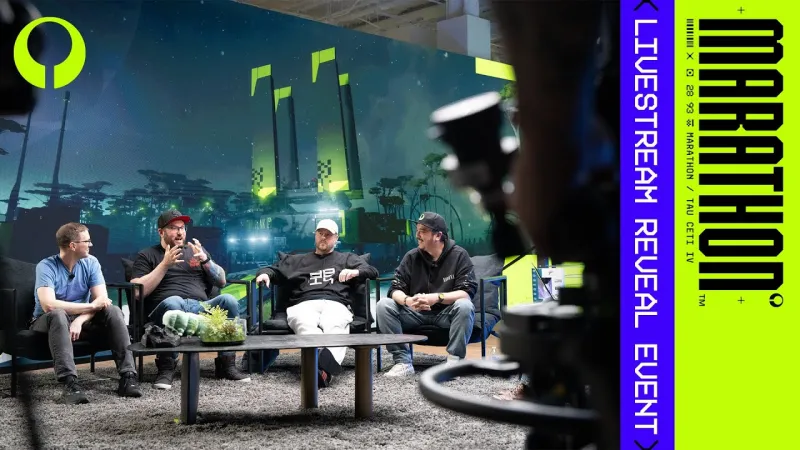
Photo: speedrunner gaming marathon live stream audience event, via i.ytimg.com
If you told someone in 2005 that watching a person beat Super Mario 64 in under seven minutes would one day draw millions of live viewers, they'd have laughed you out of the room. Yet here we are. Speedrunning — the art of completing a game as fast as humanly (and sometimes inhumanly) possible — has quietly transformed from a niche corner of the internet into a legitimate entertainment industry with real money, real sponsors, and a fanbase that rivals traditional esports in passion if not always in size.
So how did it happen? And more importantly, why does it keep growing?
A Community That Built Itself
Speedrunning didn't have a publisher behind it. There was no venture capital, no marketing campaign, no league structure handed down from on high. It grew organically out of forums like Speed Demos Archive and early YouTube uploads, fueled entirely by people who loved games deeply enough to push them to their absolute limits.
That scrappy, DIY energy is still very much alive. Communities organize themselves around individual games on sites like Speedrun.com, where leaderboards are maintained by volunteers and world record attempts are verified by fellow runners. It's peer-driven accountability at scale, and it works remarkably well.
"The community polices itself in a way that most sports organizations would envy," says Marcus Webb, who has organized regional speedrunning meetups in the Midwest for the past four years. "Runners want the records to be legitimate. The integrity comes from within."
That sense of ownership is a big part of what makes speedrunning fans so fiercely loyal.
Games Done Quick and the Charity Angle
No conversation about speedrunning's mainstream breakout moment is complete without talking about Games Done Quick. The twice-yearly marathon event — Awesome Games Done Quick in January and Summer Games Done Quick in July — has become the Super Bowl of speedrunning, raising tens of millions of dollars for charity over its lifetime. AGDQ 2024 alone raised over $2.6 million for the Prevent Cancer Foundation.
These events are genuinely compelling television. Runners narrate their strategies in real time, commentators break down technical tricks for newcomers, and donation incentives create live audience participation that feels more interactive than almost anything else in streaming. When a runner is about to attempt a blindfolded category or a meme-worthy challenge unlocked by donations, the chat explodes. It's appointment viewing.
The charity angle also gave speedrunning a kind of moral credibility that helped it reach audiences who might otherwise scroll past. Moms, coworkers, people who hadn't touched a controller in years — they tuned in because it felt good to watch, and they stayed because the content is genuinely fascinating.
Twitch Changed Everything
If Games Done Quick opened the door, Twitch blew the walls off. The platform gave individual speedrunners a place to build daily audiences rather than waiting for a biannual event. Runners like Wirtual, Cheese05, and karlson speedrunners have built subscriber bases that translate into real, sustainable income — through subs, donations, and brand partnerships.
Twitch's structure rewards consistency and personality, two things the speedrunning community has in abundance. Watching someone grind for a world record over dozens of hours, sharing in the frustration of a reset, and then erupting when the run finally comes together — that emotional arc is pure content gold. The parasocial connection between speedrunners and their viewers is as strong as anything you'll find in traditional gaming streams.
Platform algorithms have also helped. A well-timed clip of a record-breaking moment can go viral on Twitter or TikTok, pulling in casual viewers who then wander back to Twitch to understand what they just saw. The discovery loop feeds itself.
The Economics Are Real
Let's talk money, because the numbers have gotten genuinely interesting. Beyond individual streamer revenue, speedrunning has attracted sponsorships from gaming peripherals brands, energy drinks, and even mainstream tech companies looking to tap into an engaged younger demographic. Event organizers are negotiating venue deals, production budgets, and broadcast partnerships that would have seemed absurd a decade ago.
There's also a growing market for speedrunning content on YouTube, where long-form documentaries about record chases — think The History of series or Summoning Salt's legendary run videos — regularly pull millions of views. These aren't gaming tutorials. They're sports documentaries with genuine narrative tension, and they're being watched by people who have never picked up the source game.
Merchandise, Patreon tiers, and exclusive Discord communities add additional revenue streams for top runners. The ecosystem is diversified in a way that makes it resilient even as individual platforms shift.
Why Non-Gamers Are Watching
Here's the thing that surprises a lot of people in traditional esports: speedrunning attracts massive audiences who don't consider themselves gamers. The appeal isn't about playing — it's about watching mastery. It's the same reason people watch cooking competitions or extreme craftsmanship videos. There's something deeply satisfying about seeing a human being do something incredibly difficult and make it look effortless.
Speedrunning also has great storytelling built in. Every category has a history of record progression, rivalries, and technical discoveries. When a runner finds a new glitch that shaves three seconds off a 20-year-old world record, that's a legitimate news event within the community — and increasingly, outside it.
The accessibility matters too. You don't need to know the game to appreciate the spectacle. A runner explaining why they're jumping into a wall at a precise angle to clip through geometry is genuinely interesting even if you've never played the title.
What Comes Next
The speedrunning community is at an interesting crossroads. As it grows, there's pressure to formalize — more structured leagues, larger prize pools, mainstream broadcast deals. Some runners embrace that trajectory. Others worry about losing the grassroots character that made the scene special in the first place.
What's clear is that the audience isn't going anywhere. If anything, younger generations of gamers are discovering speedrunning as a first entry point into competitive gaming culture, not a side hobby. That's a significant shift.
For anyone who wrote off speedrunning as a curiosity, it's time to look again. This community built something real without a roadmap, and it's only picking up speed.