Ship It Fast, Ship It Right: How Lean Studios Are Beating AAA to the Finish Line
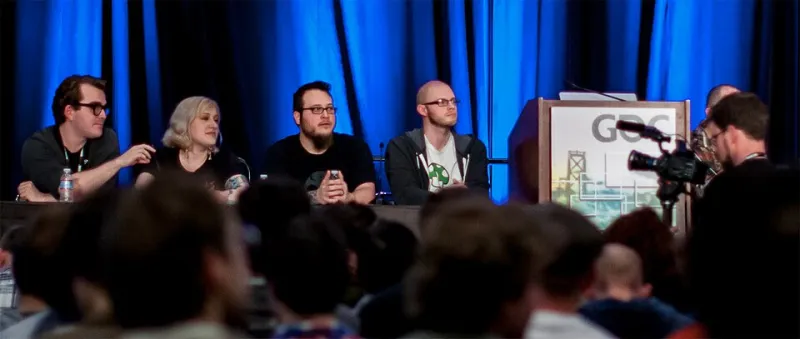
Photo: Fuad Kamal from USA Cropped by czar, CC BY-SA 2.0, via Wikimedia Commons
Somewhere in a Slack channel right now, a six-person indie team is wrapping up a milestone review that would take a 300-person AAA studio three months to schedule. They'll hit their deadline. The big studio probably won't.
That's not shade — it's just math. And it's becoming one of the most interesting stories in games right now.
Small and mid-size studios have quietly figured out how to ship genuinely polished games in timelines that would make a major publisher's project manager break out in hives. We're talking 12 to 18 months from concept to launch, sometimes less. And they're not doing it by grinding their teams into dust. They're doing it by borrowing a page from the software development world and running lean.
What Agile Actually Means in a Game Studio
If you've ever worked in tech, you've heard the word "agile" thrown around until it lost all meaning. But in the context of game development, it refers to something pretty specific: short, focused work cycles (usually two to four weeks) called sprints, where a team ships a functional chunk of the game, reviews it, and adjusts course before moving on.
Compare that to the traditional AAA waterfall model — years of pre-production, locked design documents, and massive teams that can't pivot without a six-week approval chain — and the difference becomes obvious.
"We don't design the whole game upfront and then build it," said one developer behind a well-regarded 2023 platformer that went from prototype to Steam in just over a year. "We build something, play it on day three, hate half of it, fix it, and move forward. It sounds chaotic, but it's actually way more controlled than locking yourself into a design doc that's already wrong by the time you start coding."
That feedback loop is everything. Catching a bad mechanic in week two of a sprint costs almost nothing. Catching it after eighteen months of production costs a studio its budget and sometimes its existence.
The Tools Making It Possible
Modern game engines have done a lot of the heavy lifting here. Unity and Unreal Engine 5 both offer rapid prototyping environments that would've seemed like magic ten years ago. Asset stores mean a small team doesn't have to build every texture from scratch. Middleware for audio, physics, and UI has matured to the point where a team of five can produce something that looks and feels comparable to a team of fifty — as long as they're smart about where they spend their time.
Beyond engines, project management tools like Jira, Notion, and Shortcut have become standard in studios of all sizes. What matters more than the tool, though, is the discipline to use it. Agile only works if the team actually reviews what they built, documents what they learned, and doesn't let scope creep quietly murder the timeline.
Scope management is honestly where most small studios win or lose. The temptation to add "just one more mechanic" is real and it's relentless. Studios that ship fast tend to be ruthless about saying no — not because they don't care about features, but because they care more about shipping.
Case Study: Under 18 Months, No Crunch Required
Look at something like Shovel Knight or more recently Celeste — both games that became indie benchmarks and were built by teams small enough to fit in a minivan. Neither of those teams had the luxury of burning people out on 80-hour weeks. They had to be efficient because they had no other choice.
That constraint turned out to be a feature, not a bug.
More recently, studios have been vocal about building "no crunch" policies into their development culture from day one. The argument isn't just ethical (though it is that too) — it's practical. Burned-out developers make bad decisions. They stop playing their own game. They stop noticing when something feels off. Quality degrades in ways that don't show up in a bug tracker.
One mid-size studio that shipped a well-reviewed RPG in 14 months credited their timeline to three things: weekly playtests with real players, a strict feature freeze at the halfway point, and a flat team structure where any developer could flag a design problem without going through four layers of management.
"When a junior developer tells you a system feels bad, you listen," the studio's creative director noted in a postmortem. "At a big studio, that note might never reach the person who can actually change it."
Where AAA Gets Stuck
None of this is to say big studios are incompetent. They're dealing with a completely different set of problems. When you have 400 people working on a game, coordination alone becomes a full-time job. You need those locked design documents because otherwise your environment artists and your combat designers are building for two different games.
But the cost of that coordination is speed, and increasingly, it's also quality. The longer a game is in development, the more it accumulates technical debt, design debt, and the kind of institutional memory loss that happens when key people leave mid-project. Several high-profile AAA releases in the last few years have shipped feeling unfinished not because the developers were lazy, but because the sheer complexity of managing that many people across that many years made coherence nearly impossible.
Small studios sidestep most of that by staying small on purpose.
The Competitive Edge Nobody's Talking About Enough
Here's the thing that doesn't get said often enough: shipping fast isn't just about saving money. It's a competitive advantage in terms of player attention.
The gaming market moves fast. A concept that feels fresh today can feel derivative in 18 months if three other games beat you to it. Indie studios that can move from idea to launch quickly are better positioned to capitalize on trends, fill gaps in the market, and respond to what players are actually asking for — not what a focus group told them players wanted two years ago.
There's also a momentum argument. Games that launch while their community is still excited tend to sustain that excitement. A studio that can follow up a successful launch with meaningful updates or a new project within a reasonable timeframe builds loyalty in a way that a studio disappearing for five years simply can't.
What This Means for Players
For the people actually playing these games, the agile revolution means more of what you want: smaller, tighter experiences that respect your time, built by teams who were actually playing their game all the way through development rather than just testing isolated systems.
It also means the indie scene is going to keep punching above its weight. The gap between a well-made indie and a AAA title has never been smaller, and the studios moving fast are a big reason why.
Play more. Know more. The studios shipping the best games right now might just be a team of eight people who figured out how to stay out of their own way.